
/
News /
Texas HB 521: New Curbside Voting Procedures and Pollworker Training Considerations
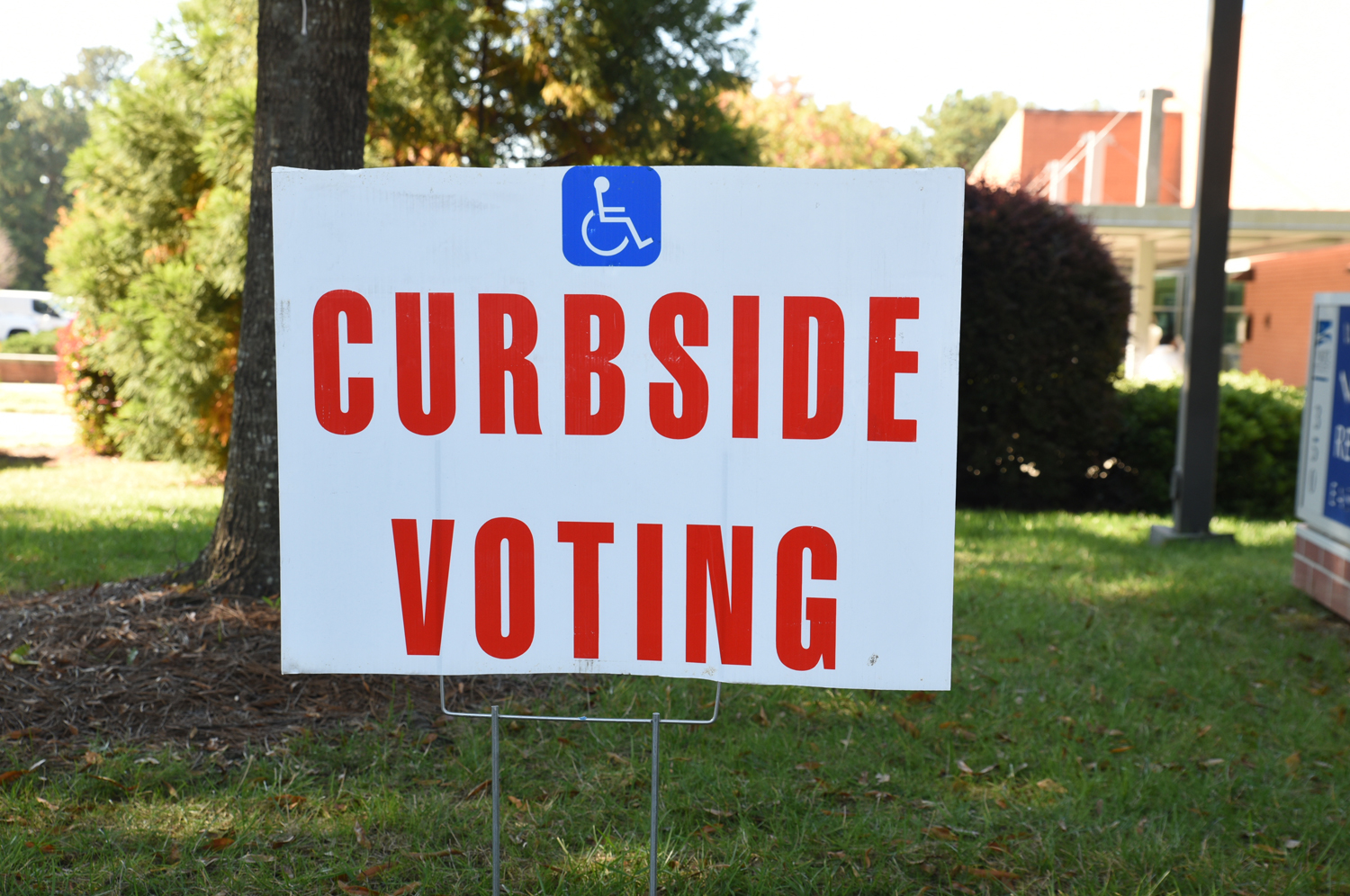
Texas House Bill 521 was passed during the 89th Legislative Session and makes changes to curbside voting and voter assistance procedures.
Curbside voting is an important accommodation for voters who are physically unable to enter the polling place without personal assistance or without risking injury to their health.
HB 521 does not remove that accommodation.
It adds new documentation and procedural requirements around how that accommodation is provided.
The Texas Secretary of State’s 2025 legislative summary states that HB 521 makes changes to curbside voting and assistance procedures.
The Senate Research Center bill analysis explains that HB 521:
The bill also requires curbside voting parking areas to be clearly marked with signage, including notice that electioneering is prohibited within 20 feet of the parking space.
Curbside voting often happens outside the normal physical flow of the polling place.
That means pollworkers need to understand not only the voter check-in process, but also the additional steps required when the voter remains outside.
With HB 521, offices may need to review:
The bill makes curbside voting more documentation-heavy.
That makes training especially important.
Curbside voting is one of those workflows where consistency matters.
If pollworkers are unsure of the steps, the experience can vary from location to location.
That can create confusion for voters, election workers, and observers.
Training should make clear:
This is especially important in elections with a large number of polling places or temporary election workers.
Some practical questions worth considering:
These details matter because curbside voting happens in real time, often while the polling place is already busy.
HB 521 adds new procedural and documentation requirements around curbside voting.
For election offices, the next step is making sure those requirements are reflected in forms, training, signage, and polling place procedures.
Curbside voting remains an important accessibility tool. The operational challenge is making sure it is handled consistently, lawfully, and clearly at every location.
How is your office updating curbside voting training and procedures?